Growing the workforce communities need
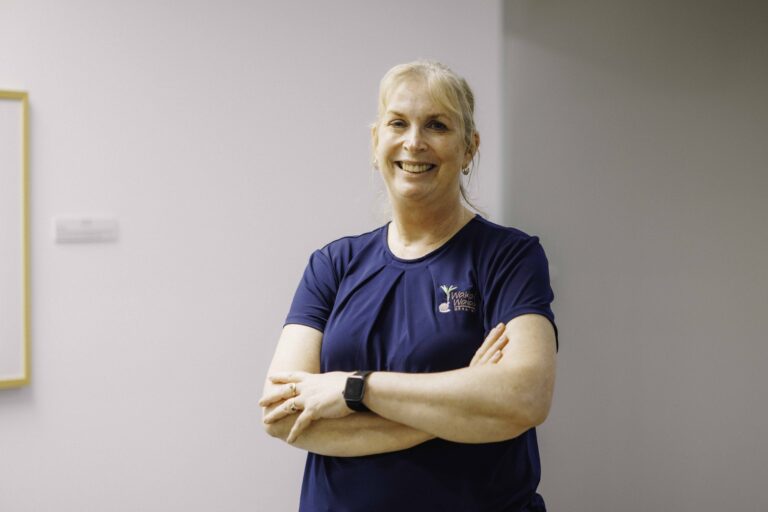
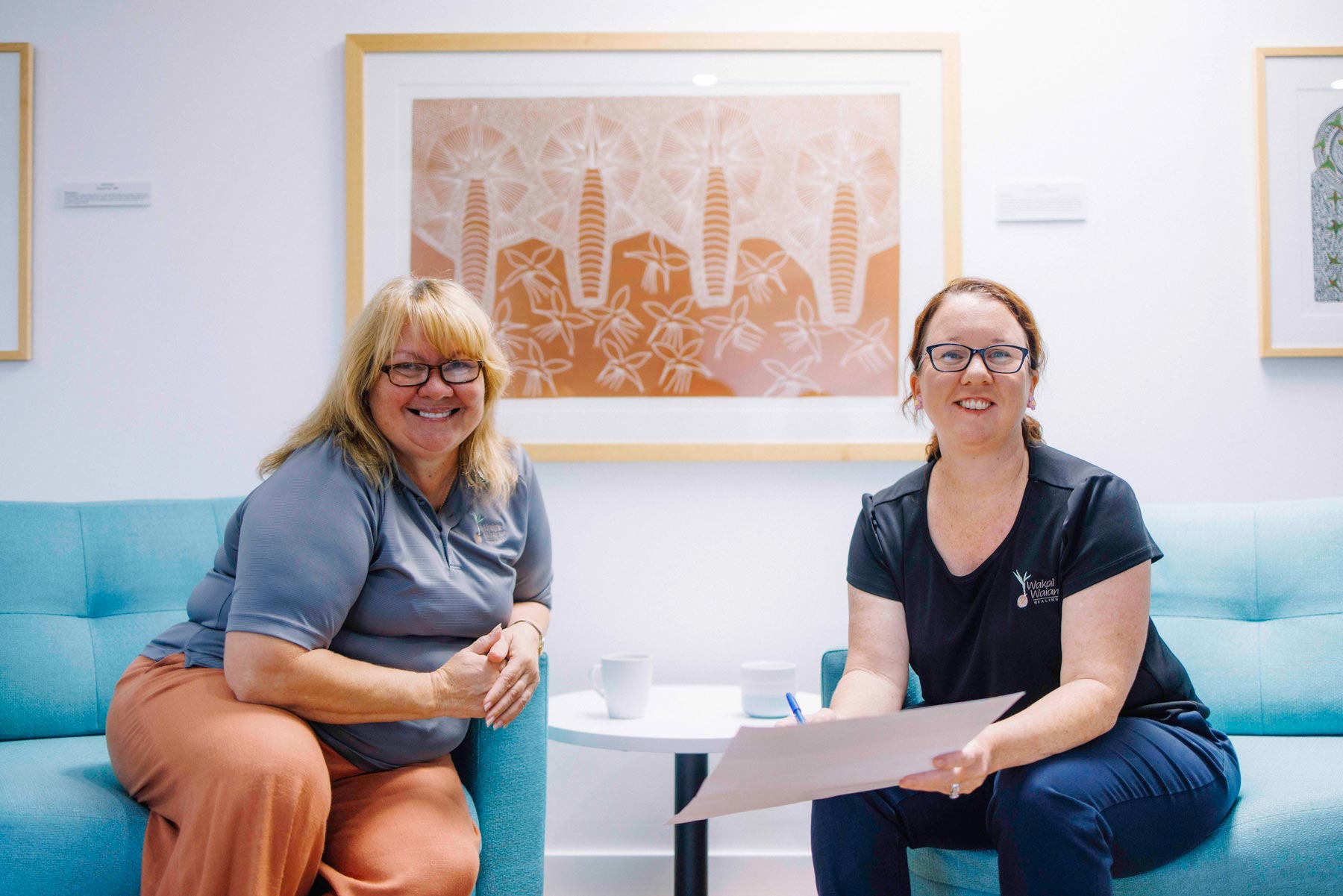
This month, Rosalyn Mann marked two years at Wakai Waian Healing.
In a sector defined by burnout, short contracts and constant turnover, staying is no small thing. It is worth pausing to acknowledge the quiet achievement of continuity, and the work that makes it possible.
“Two years ago, I joined Wakai Waian Healing,” Rosalyn says. “I’ve been in the workforce long enough to realise that the best workplaces are the ones where you’re surrounded by good people doing meaningful work. WWH is exactly that. So it looks like you’re stuck with me for a while.”
As Workforce Sustainability Lead, Rosalyn holds one of the most complex and consequential roles in the organisation. Her work sits at the intersection of people, culture, systems and long-term vision, ensuring Wakai Waian Healing can recruit, support and retain the workforce communities rely on.
Sustainability is hard work
Workforce shortages in regional and remote Australia are not theoretical. They are felt in long waiting lists, inconsistent service availability, and communities left to carry complex distress without continuity of care. For Aboriginal and Torres Strait Islander communities, the impact is compounded when services are culturally disconnected or transient.
At Wakai Waian Healing, workforce development is not treated as a separate stream of work. It is understood as foundational to effective mental health, AOD and suicide prevention.
“A strong First Nations workforce is not optional,” Rosalyn says. “It’s essential to trust, continuity and early engagement. People seek help sooner and stay connected longer when care is delivered by practitioners who understand family systems, cultural responsibilities and local realities.”
Rather than relying on short-term contracts or external clinicians, Wakai Waian Healing has taken a long view, growing Aboriginal and Torres Strait Islander psychologists and allied mental health practitioners from within the community.
“Retention doesn’t happen by accident,” Rosalyn explains. “You have to invest in people early, walk with them through training, and create workplaces where they feel supported as whole human beings, not just clinicians.”
From pipeline to careers
Rosalyn grew up on the traditional lands of the Quandamooka Nation in South East Queensland and has lived and worked across rural and regional Queensland and the Northern Territory. She now lives, works and plays on Dharumbal Country in the Rockhampton region.
Her career spans human resources and community relations roles across mining and gas, local government, natural resource organisations, a regional university, and most recently, a First Nations owned and operated labour hire business. She holds a Bachelor of Psychological Science, a Bachelor of Arts in Communication and Sociology, and a Master of Human Resources Management, and is currently completing honours in psychology.
That breadth matters. Rosalyn understands systems, but she also understands people.
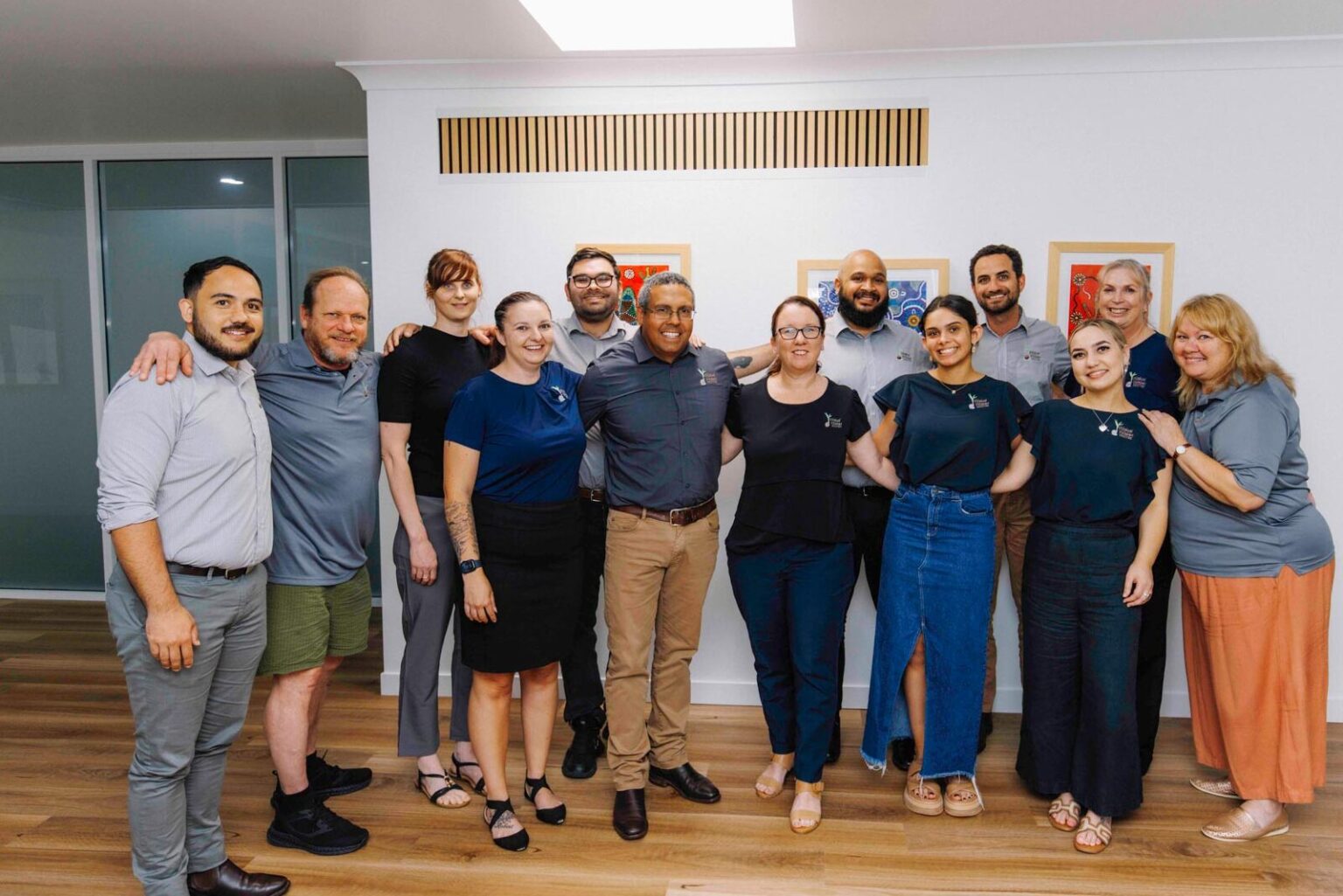
At Wakai Waian Healing, this shows up in a workforce pipeline that extends well beyond placements and internships into long-term careers. Students are supported early. Provisional psychologists are held carefully through registration. Qualified clinicians are encouraged to remain connected through supervision, mentoring and cultural governance.
For clinicians like Leah Munns, raised on Dharumbal Country, this model has made it possible to practise psychology without leaving culture behind.
“I didn’t always know how culture and clinical practice could sit together,” Leah says. “What I’ve learned here is that they don’t compete. They strengthen each other.”
Supervision as responsibility, not compliance
This philosophy is most visible in how supervision operates.
At Wakai Waian Healing, supervision is not treated as a compliance requirement. It is treated as a responsibility to both practitioner and community. Provisional psychologists and early career clinicians are supported through structured, culturally grounded supervision that integrates clinical skill development with wellbeing, identity and accountability.
Senior Psychologist and Supervisor Uncle Joe Sproats, a Ngarigo and Australian South Sea Islander man, has long argued that psychology separated from culture and spirit is incomplete. That perspective underpins how supervision is designed and delivered.
Operations Manager Zachery Kaur says Rosalyn’s role is critical in holding this balance.
“Ros doesn’t just think about filling roles,” Zachery says. “She thinks about who people are, what support they need, and whether the organisation is set up to care for them properly. That’s what keeps people here.”
Services Practice Manager Julyess Jarvis agrees.
“Our work is intense,” Julyess says. “If you don’t have strong systems and genuine care behind your workforce, people burn out. Ros makes sure we don’t lose sight of the human side of this work.”
Values-led recruitment
For Rosalyn, recruitment is not about ticking boxes or chasing numbers. It is about values alignment.
“We can train skills,” she says. “What matters most is values. People who understand that this work is relational, long-term, and grounded in community.”
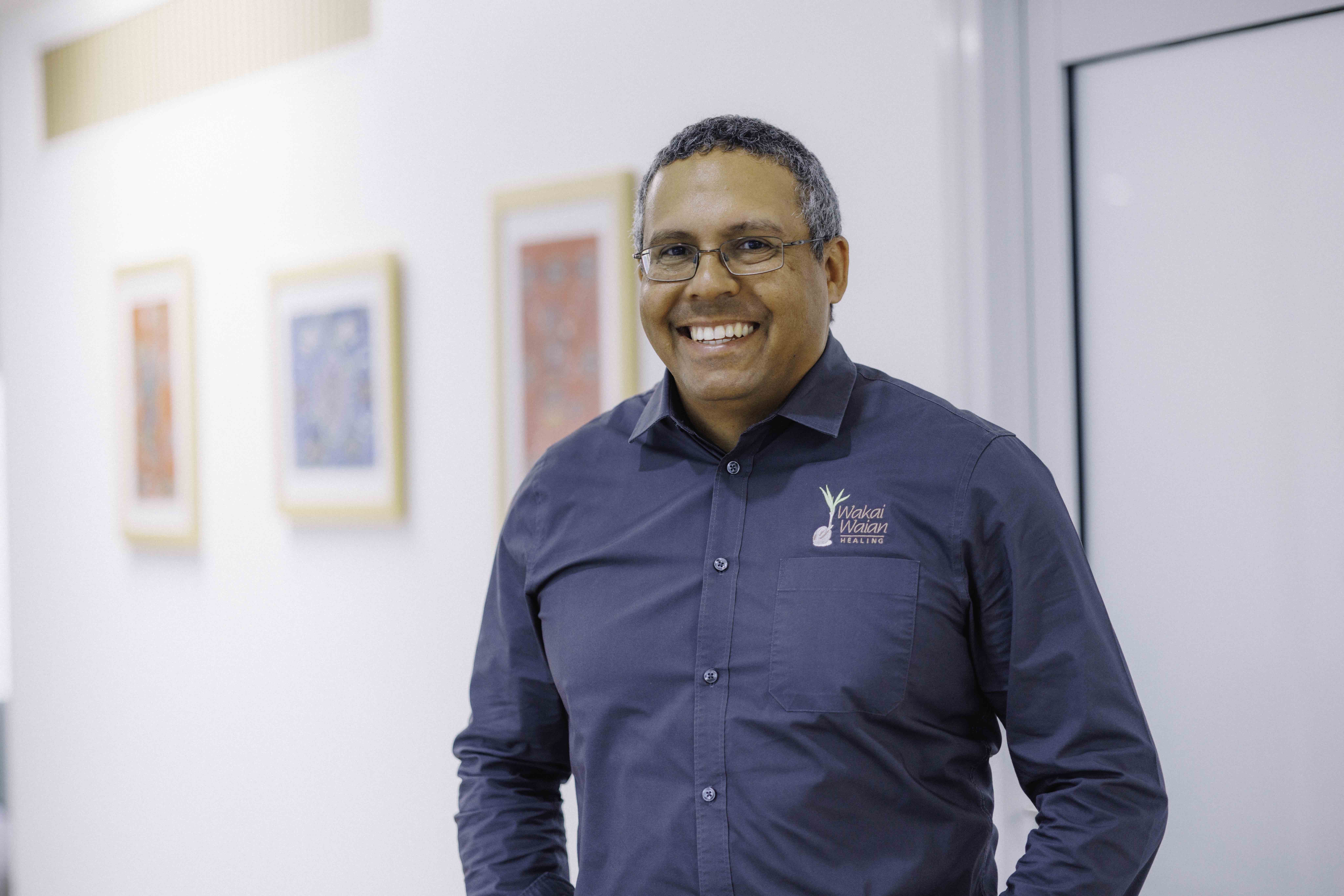
CEO Ed Mosby says Rosalyn’s contribution has been central to the organisation’s growth and stability.
“Ros brings rigour, compassion and a long-term mindset,” Ed says. “Her work ensures we’re not just responding to immediate need, but building something sustainable for communities and for our people.”
Outside of work, Rosalyn’s life is grounded by her grandchildren, her horses and her beloved dogs, a reminder that sustainability begins with balance.
Two years in, her impact is clear. Workforce sustainability may not always be visible, but its absence is. At Wakai Waian Healing, Rosalyn Mann’s work ensures that care remains consistent, culturally grounded, and carried by people who are here for the long view.
And for the communities Wakai Waian Healing serves, that continuity matters more than ever.