Building the Future of Culturally Safe Care
As Australia moves to expand psychology training pathways, Wakai Waian Healing is already doing the work on the ground, building a workforce that is culturally grounded, clinically strong, and ready to serve communities across regional and remote Australia.
The Albanese Government’s recent commitment to increase postgraduate psychology places, internships, and supervisor training responds to a national shortage. But for Wakai Waian Healing, this is not new territory.
Workforce development has always been central to how the organisation delivers care.
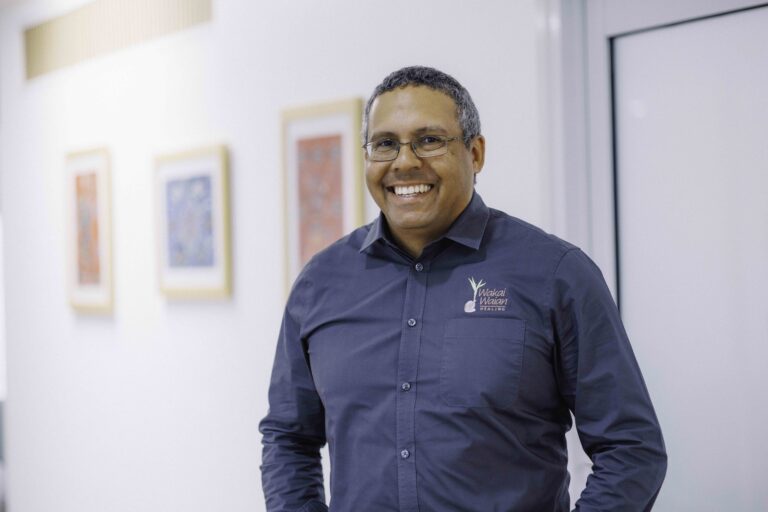
At the heart of this approach is CEO Ed Mosby, whose focus has remained clear. If outcomes are to improve for First Nations people, the workforce delivering care must be trusted, culturally informed, and developed the right way from the beginning.
“We cannot talk about better outcomes for our people without investing in the next generation of clinicians,” Ed says. “This is not just about numbers. It is about how people are trained, who they are guided by, and whether they understand the communities they are working in.”
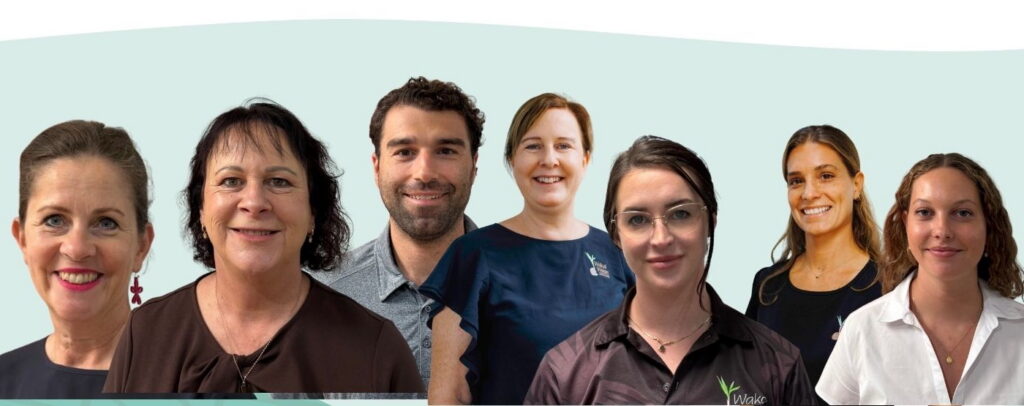
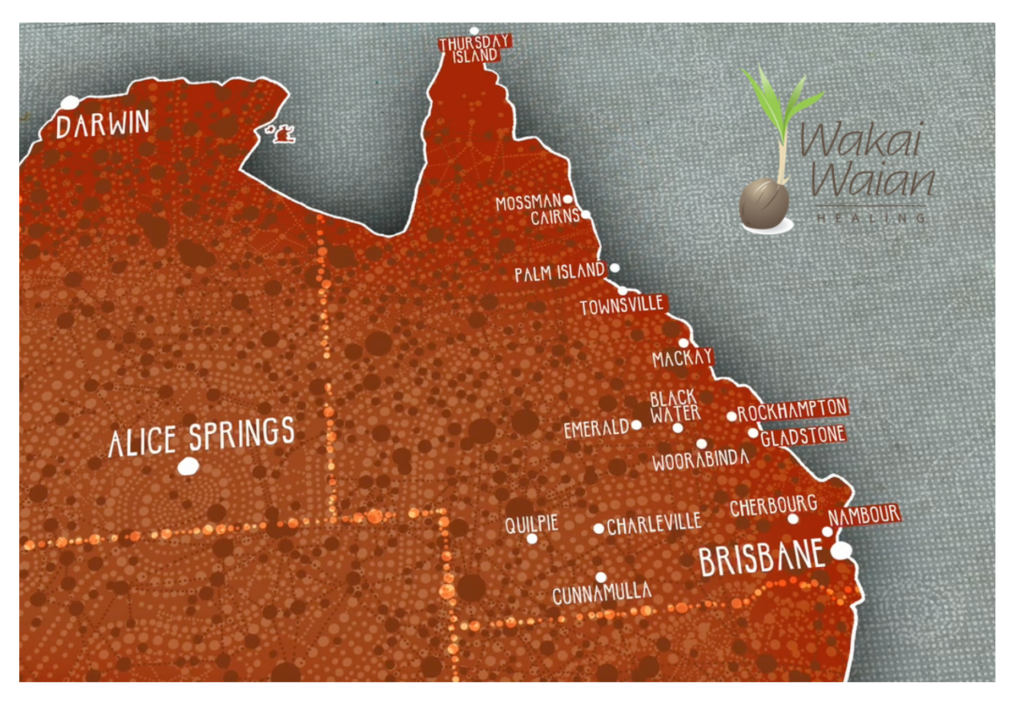
Across more than 15 locations in regional and remote Queensland, Wakai Waian Healing is building that workforce in real time. Provisional psychologists like Elyse O’Neill and Keely Steel are part of a growing pipeline, learning within a system that places culture, community, and relationship at the centre of care.
For Ed, culturally safe practice is not an add-on. It is the foundation.
“Our people need to feel safe when they walk into a service. That safety comes from culture being understood and respected, not just acknowledged,” he says. “We are training clinicians who can sit with people properly, who understand trauma, who understand history, and who know how to work alongside community, not over the top of it.”
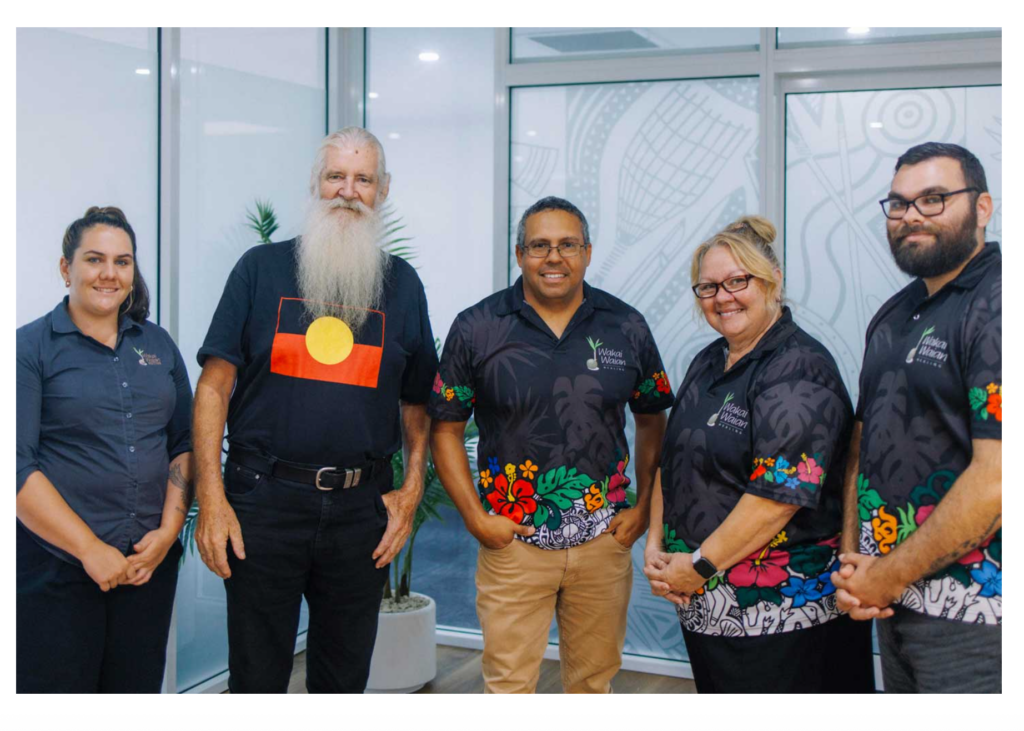
A key part of this model is supervision. Wakai Waian Healing is supported by experienced First Nations psychologists who guide emerging clinicians, ensuring they are grounded in both clinical excellence and cultural authority.
“We are fortunate to have senior Indigenous psychologists within our organisation who are not only delivering care, but supervising and shaping the next generation,” Ed says. “That is critical. It means our workforce is being developed in the right way, with strong cultural and clinical governance from day one.”
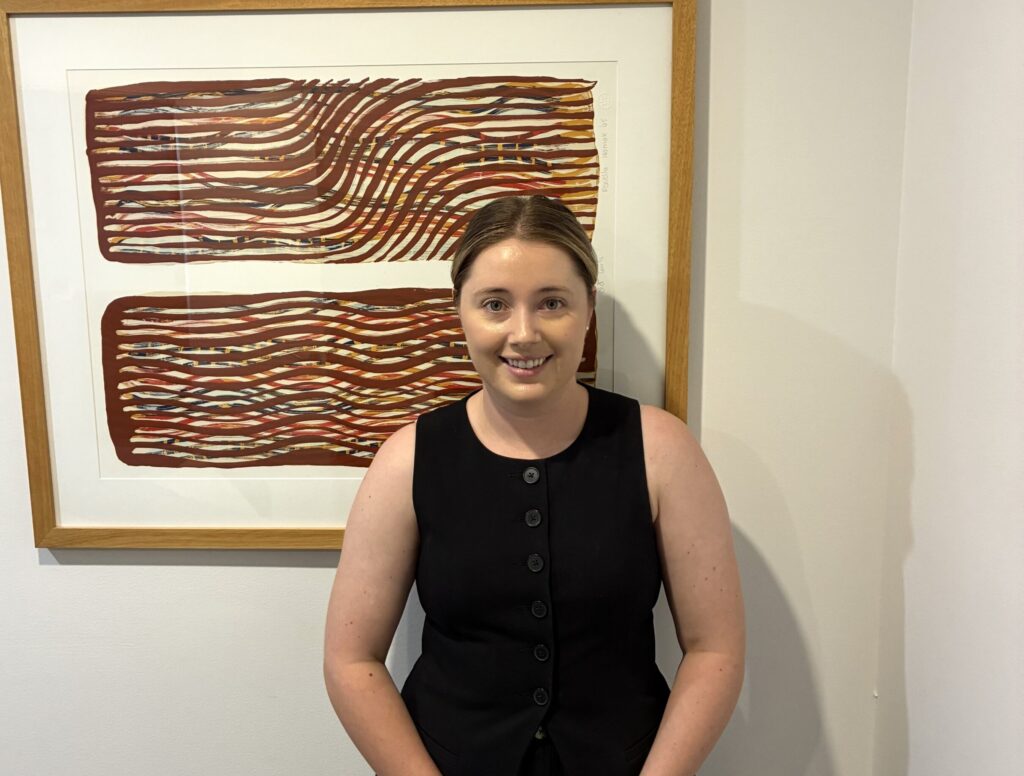
For Elyse O’Neill, currently completing her placement in Rockhampton, that environment has been defining.
“I was drawn to Wakai Waian Healing because of its strong cultural foundations and holistic approach to wellbeing,” she says. “I’m grateful to be learning within a culturally grounded organisation and supporting people in ways that are ethical, respectful and meaningful.”
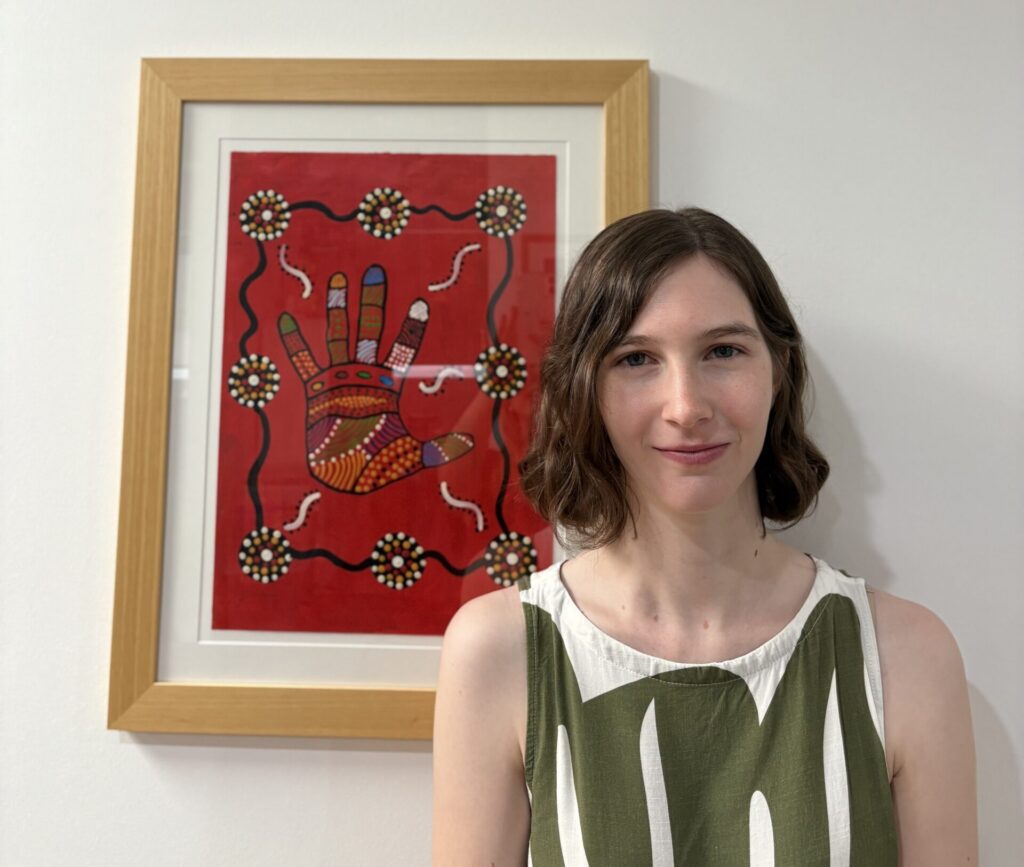
Keely Steel, also completing the final stage of her postgraduate training, describes a similar experience.
“I value approaches that meet people where they are,” she says. “Not every journey looks the same, and care needs to reflect that.”
Behind these individual placements sits a broader workforce strategy, led by Ros Mann, Head of Workforce Sustainability.
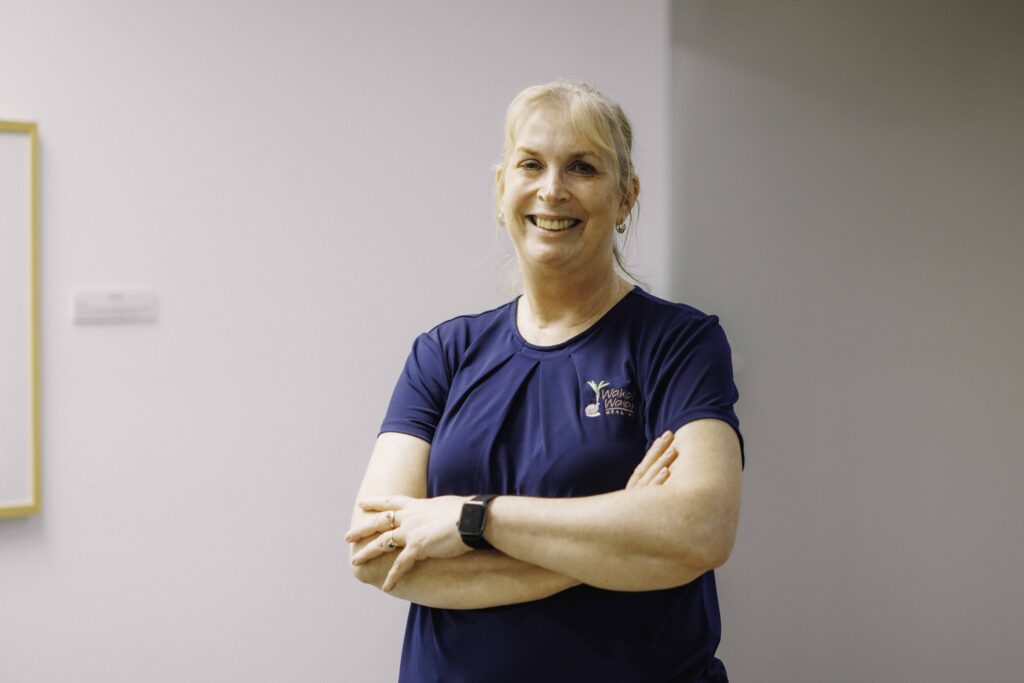
Her work has focused on building a pipeline that reaches into communities and supports clinicians to grow within a culturally safe and supported environment.
“What we’ve created at Wakai Waian Healing is more than a placement program,” Ros says. “It is a pipeline. We are growing clinicians within the right environment, with the right supervision and cultural foundations, so they can build long-term careers that genuinely serve our communities.”
This approach is already having impact. The organisation now employs more than 50 staff across Queensland, including psychologists, occupational therapists, counsellors, social workers and therapy assistants, many of whom are First Nations practitioners supported through internal development pathways.
As national reforms aim to increase access to psychology training and internships, Wakai Waian Healing is well positioned. The organisation has applied for significant funding to expand its internship and supervision model, building on a system that is already working.
For Ed, the opportunity is clear, but so is the responsibility.
“We take this work seriously,” he says. “If we are going to grow the workforce, we have to do it properly. That means investing in people, backing our supervisors, and making sure culture is at the centre of everything we do.”
Because for Wakai Waian Healing, this is not just about training clinicians.
It is about building a workforce that communities can trust, now and into the future.