
How an Aboriginal and Torres Strait Islander–led organisation is strengthening mental health, AOD and suicide prevention through workforce, culture and place-based care in Queensland
Across regional and remote Queensland, mental health, alcohol and other drugs use, and suicide prevention remain among the most complex challenges facing communities. These challenges are not only clinical. They are structural, relational and deeply shaped by history, access and trust.
Communities have been clear about what they want. Care that is easier to navigate. Support that is connected rather than fragmented. Services that arrive early, stay long enough to matter, and are delivered by people who understand local context.
On the ground in Queensland, an Aboriginal and Torres Strait Islander–led mental health organisation has been quietly building that system from the inside out.
Founded in 2014 by Masigal man and psychologist Ed Mosby, Wakai Waian Healing has spent the past decade strengthening mental health, AOD and suicide prevention responses through culture, relationships and long-term workforce development. Rather than relying on telehealth alone or irregular fly-in, fly-out services or short-term programs, the organisation has focused on growing people, supporting them properly, and creating the conditions for them to stay.
“We didn’t start by asking how to attract psychologists,” Mosby says. “We started by asking how to grow them, how to support them properly, and how to make sure they stay.”

Growing the workforce communities need
Workforce shortages in regional and remote Australia are not theoretical. They are felt in long waiting lists, inconsistent service availability and communities left to carry complex distress without continuity of care. For Aboriginal and Torres Strait Islander communities, the impact is compounded when services are culturally disconnected or transient.
At Wakai Waian Healing, workforce development is not treated as a separate stream of work. It is understood as foundational to effective mental health, AOD and suicide prevention.
A strong First Nations workforce is not optional. It is essential to trust, continuity and early engagement. Communities consistently tell us that people seek help sooner and stay connected longer when care is delivered by practitioners who understand family systems, cultural responsibilities and local realities.
Rather than relying on short-term contracts or external clinicians, Wakai Waian Healing has focused on growing, supporting and retaining Aboriginal and Torres Strait Islander psychologists and allied mental health practitioners from within the community.
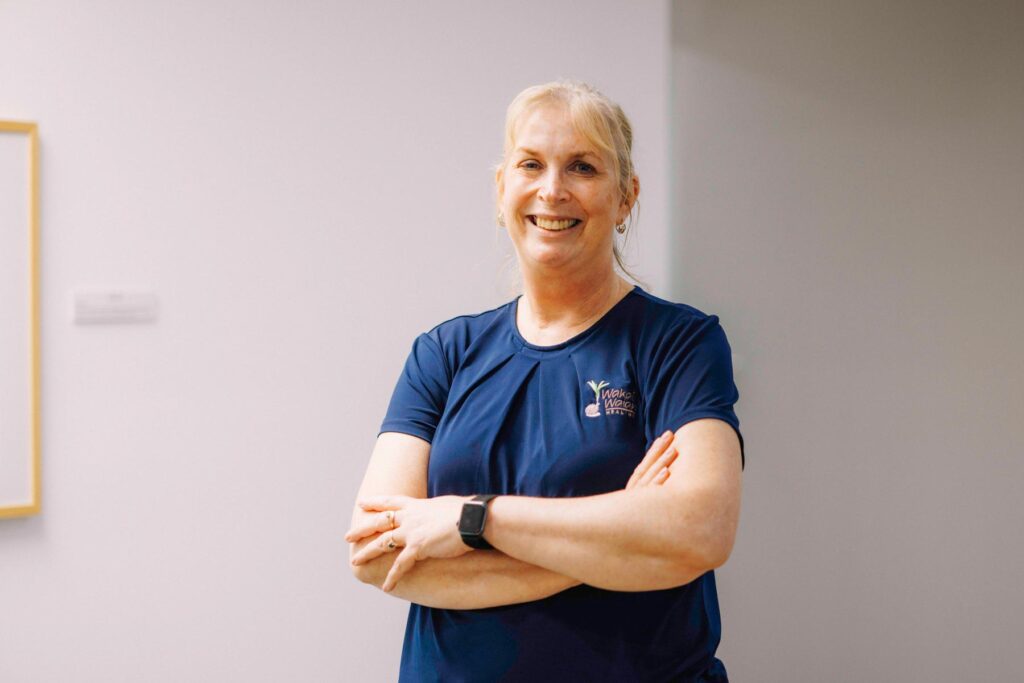
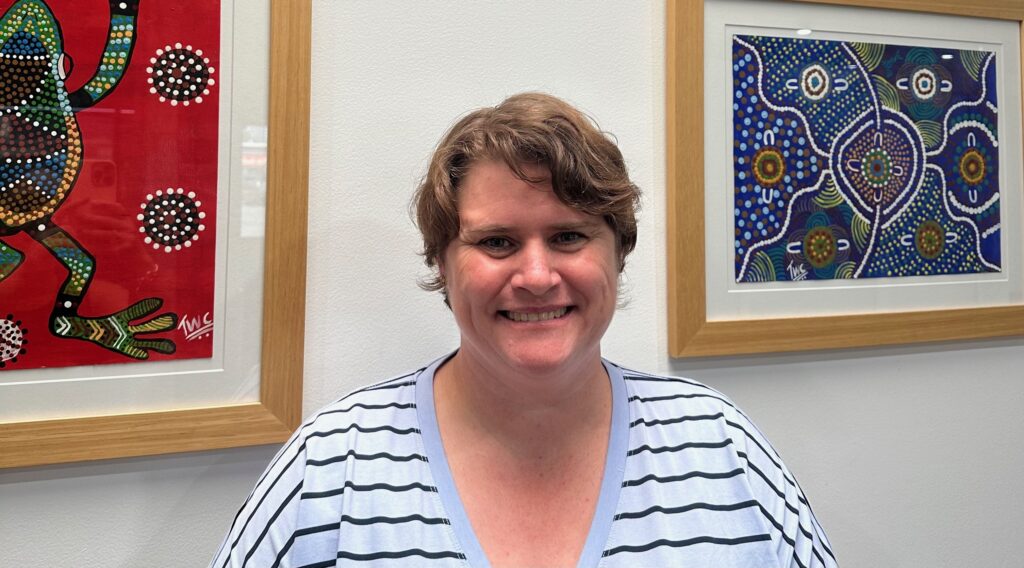
Rosalyn Mann, Workforce Sustainability Lead, says this long view is deliberate.
“Retention doesn’t happen by accident,” she says. “You have to invest in people early, walk with them through training, and create workplaces where they feel supported as whole human beings, not just clinicians.”
Supervision as responsibility, not compliance
This philosophy is most visible in how supervision operates.
At Wakai Waian Healing, supervision is not treated as a compliance requirement. It is treated as a responsibility to both practitioner and community. Provisional psychologists and early career clinicians are supported through structured, culturally grounded supervision that integrates clinical skill development with wellbeing, identity and community accountability.
Senior Psychologist and Supervisor Uncle Joe Sproats, a Ngarigo and Australian South Sea Islander man, has long argued that psychology separated from culture and spirit is incomplete.
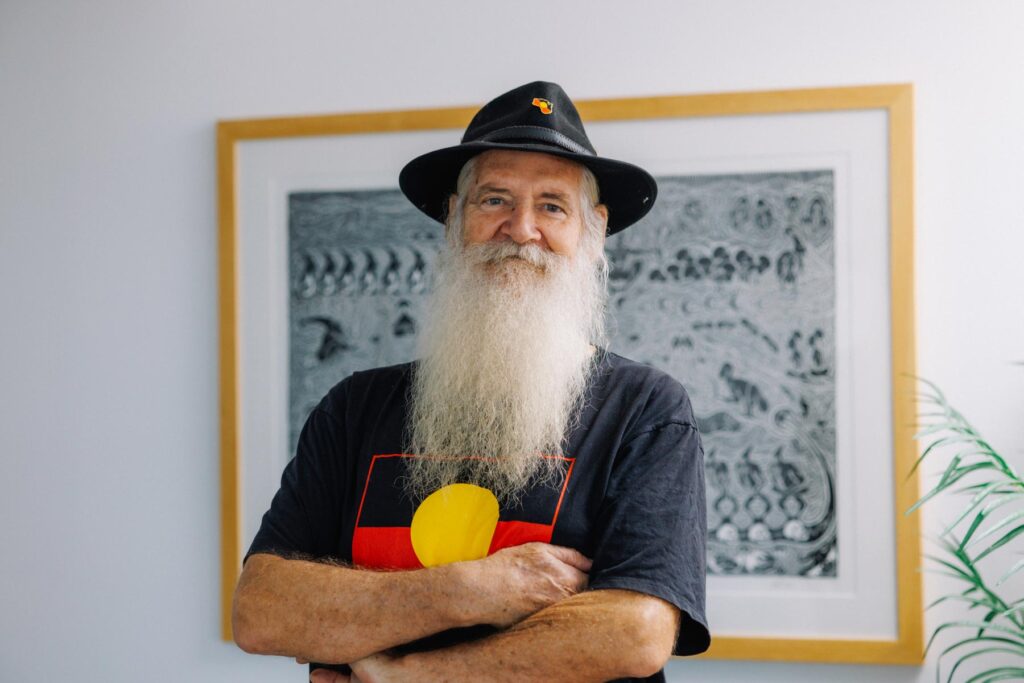
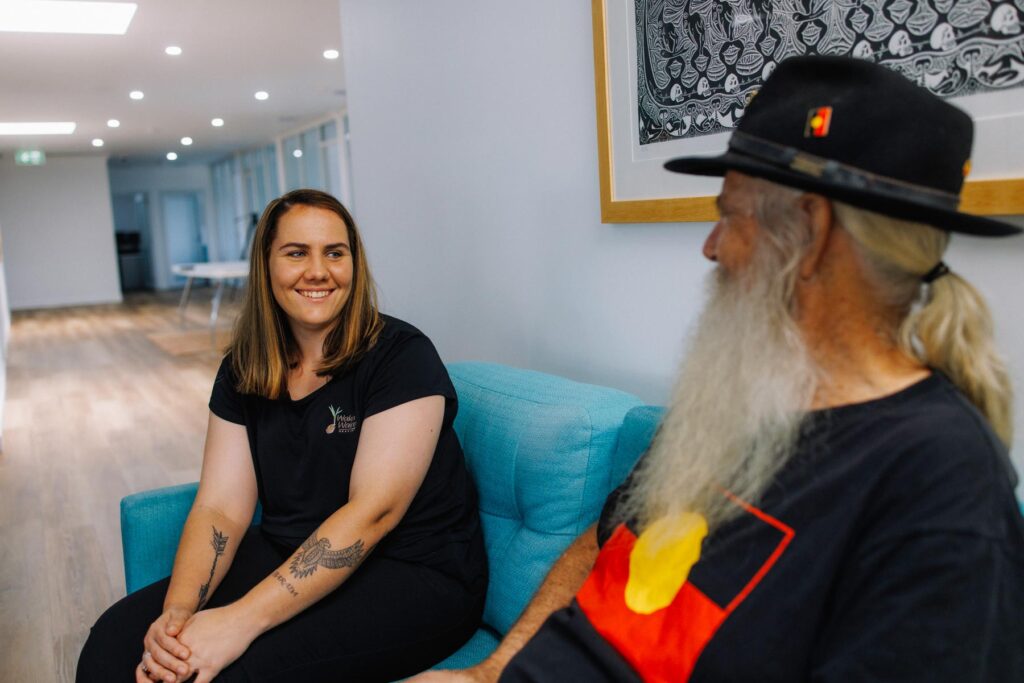
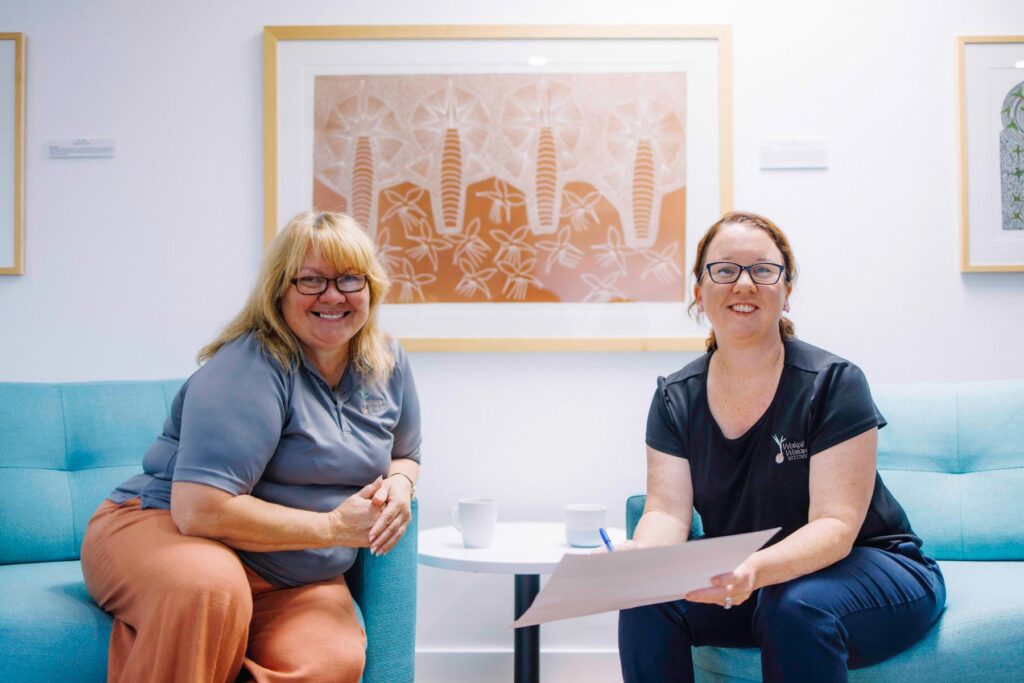
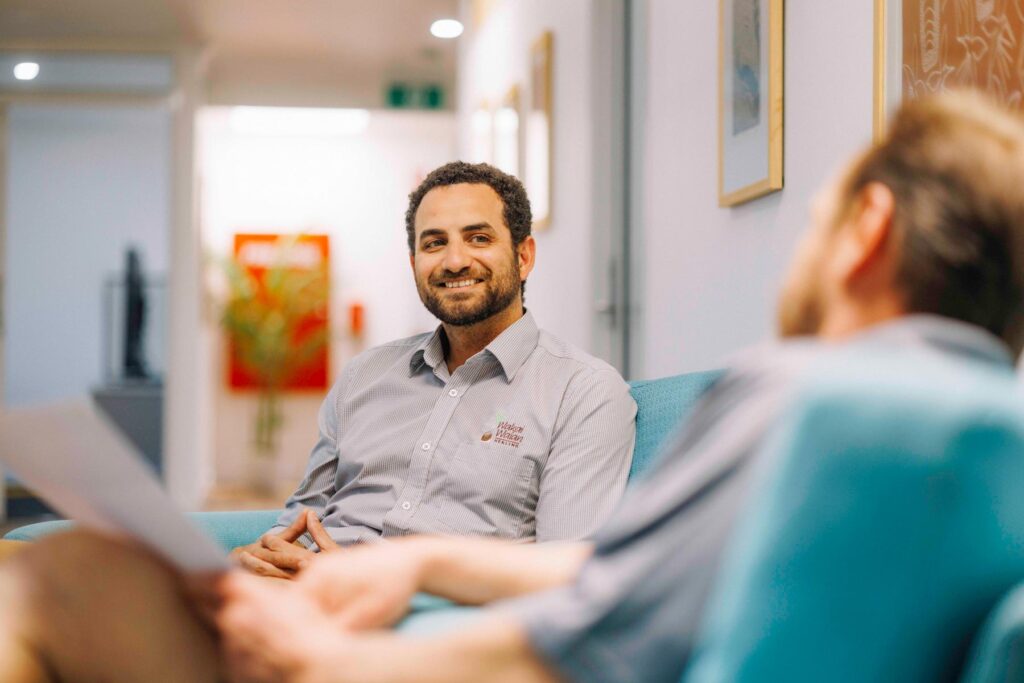
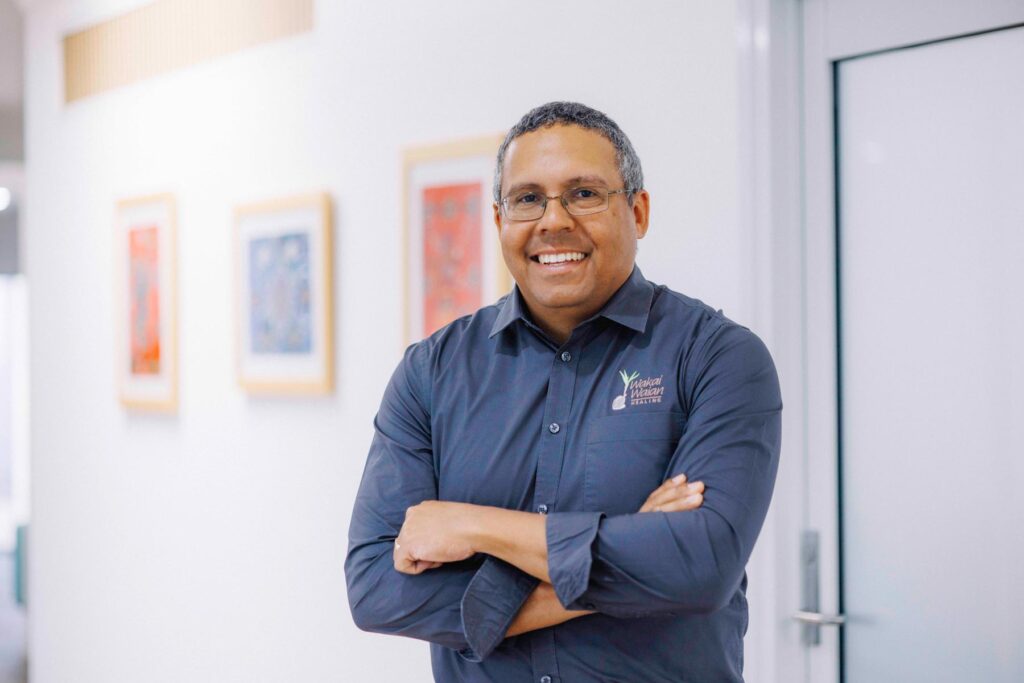
“Healing doesn’t happen in pieces,” he says. “When people are treated as whole, clinically, culturally and spiritually, they stay connected to the work and to community.”
This approach recognises that workforce sustainability and quality of care are inseparable. Practitioners who feel supported, culturally safe and professionally grounded are more likely to remain in place, reducing reliance on episodic services and strengthening continuity of care for individuals and families.
Cultural governance and clinical accountability
Cultural leadership at Wakai Waian Healing is not separate from clinical governance. It is integrated with it.
Alongside AHPRA-compliant supervision, ISO9001 quality systems, the National Standards for Mental Health Services and the NDIS framework, the organisation is guided by its Community and Culture Mentor Group (CCMG). The CCMG is made up of respected Elders, cultural leaders and community voices who provide ongoing guidance on language, process, ethics, community accountability and cultural safety.
This group does not sit on the margins. It sits inside the organisation’s governance structure, shaping decisions from program design through to delivery, reflection and review.
Julyess Jarvis, Service Practice Manager and Co-Chair of the CCMG, says this dual governance model strengthens both practice and safety.
“Cultural governance isn’t something we layer on after the work is designed,” he explains. “It shapes how services are delivered, how practitioners are supported, and how accountability to community is maintained alongside high clinical standards.”
For practitioners, this means supervision that holds the whole person, clinical skill, cultural responsibility, wellbeing and relationships. For communities, it means services that are accountable not only to professional frameworks, but to the people they serve.
Celebrating Ten Years of Mental Health Service Story
From workforce pipeline to long-term careers
The result is a workforce pipeline that extends beyond placements and internships into long-term careers. Students are supported early, provisional psychologists are held carefully through registration, and qualified clinicians are encouraged to remain connected through supervision, mentoring and cultural governance.
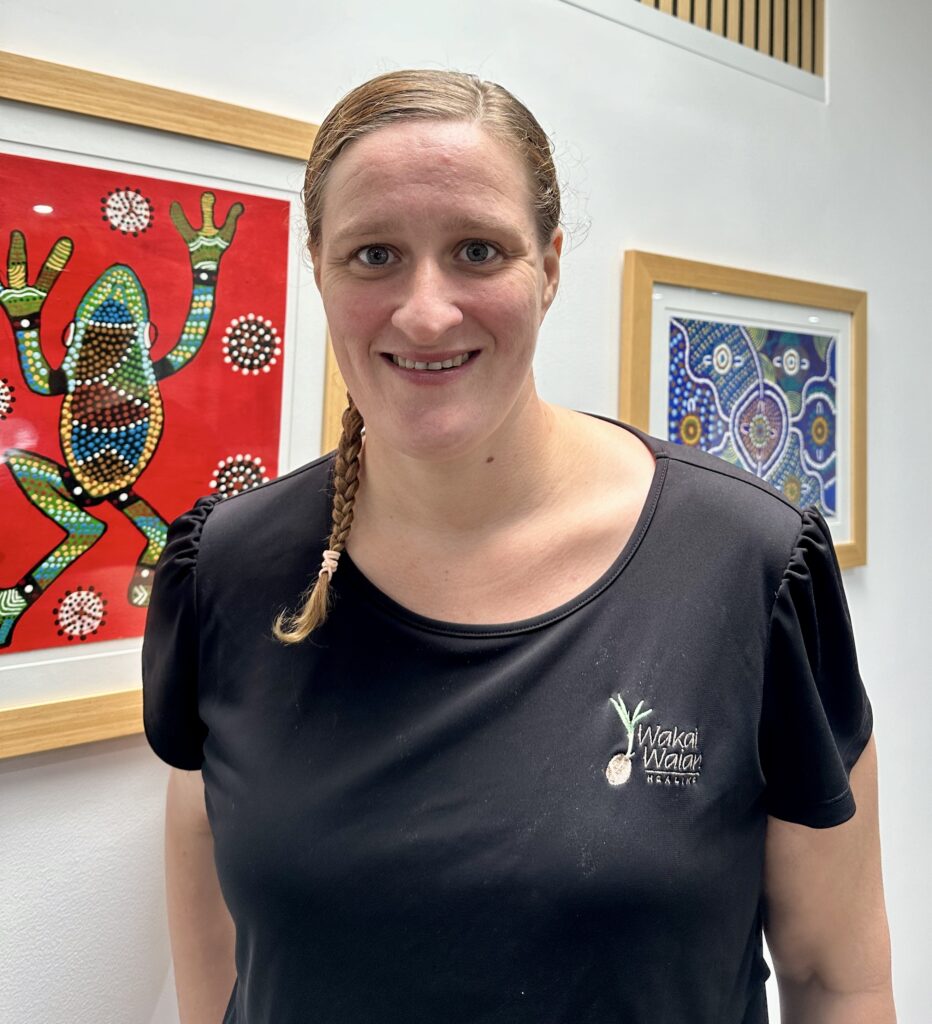
For clinicians like Leah Munns, raised on Dharumbal Country, the model has made it possible to practise psychology without leaving culture behind.
“I didn’t always know how culture and clinical practice could sit together,” she says. “What I’ve learned here is that they don’t compete. They strengthen each other.”
For Jhai Bartley, a Yiman man and provisional psychologist, the experience has reshaped his understanding of mental health practice altogether.
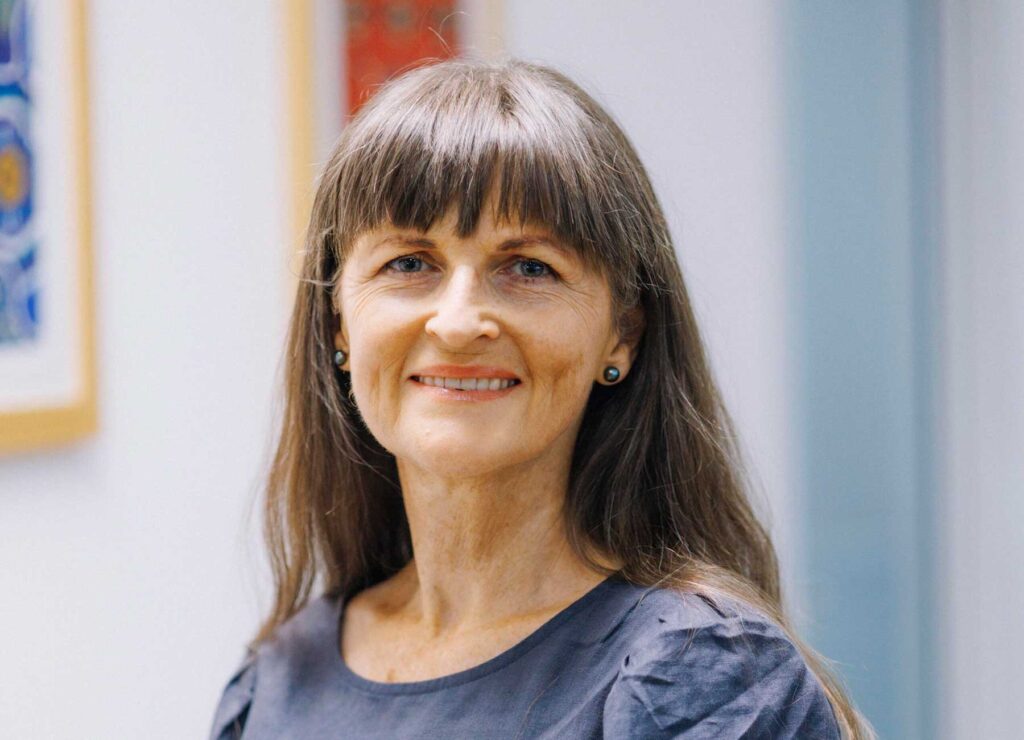

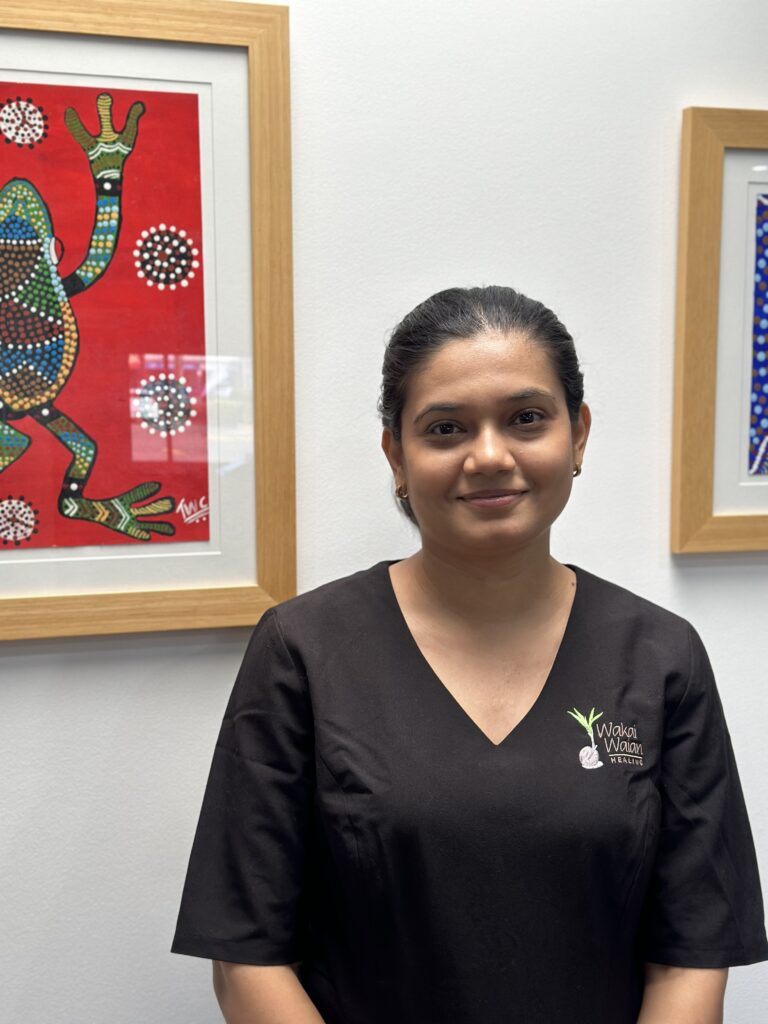
“I used to think psychology was about fitting people into boxes,” he says. “Now I understand it’s about listening properly, in context, without rushing to conclusions.”
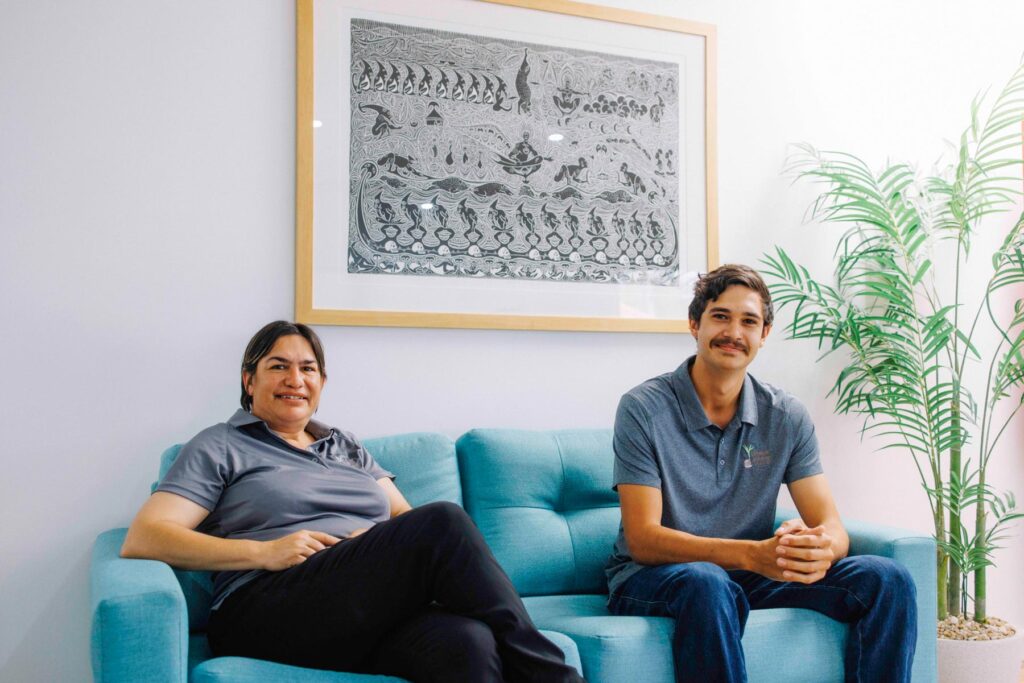
Perhaps the clearest illustration of the model’s impact is Dallas Kuhn, a Bidjara man who accessed services through Wakai Waian Healing as a young person and now works within the organisation while studying psychology.
“When young people see someone who looks like them and understands where they come from, it changes what they think is possible,” Kuhn says.
A system built from the inside out
Wakai Waian Healing delivers culturally grounded, trauma-informed and recovery-oriented services to all Australians, with a strong focus on Aboriginal and Torres Strait Islander peoples. Its work is guided by principles of reconciliation and unity, and grounded in the belief that culturally safe care improves outcomes for everyone.
The organisation’s approach reflects what communities themselves describe as effective care: services that return as promised, know families, respect cultural authority and stay long enough to matter.
“We don’t see this as a program,” Mosby says. “It’s just how we work.”
In a sector often driven by short-term fixes, Wakai Waian Healing demonstrates what becomes possible when workforce development, cultural governance and service delivery are treated as one system. By growing Aboriginal and Torres Strait Islander clinicians from within community, supporting them properly and keeping them connected, the organisation is addressing mental health, AOD and suicide prevention challenges at their roots.
Quietly. Consistently. One relationship at a time.
Tom Hearn – Mental Health Reporter