By Tom Hearn
How a Torres Strait-led organisation is quietly building Australia’s next mental health workforce
By the time most policy conversations turn to workforce shortages, it is already too late. Across regional and remote Australia, the lack of psychologists is not theoretical. It is felt in long waiting lists, fly-in fly-out services that come and go, and communities left to carry complex distress without consistent support. For First Nations communities, the problem is compounded by a workforce that is often culturally disconnected and transient.
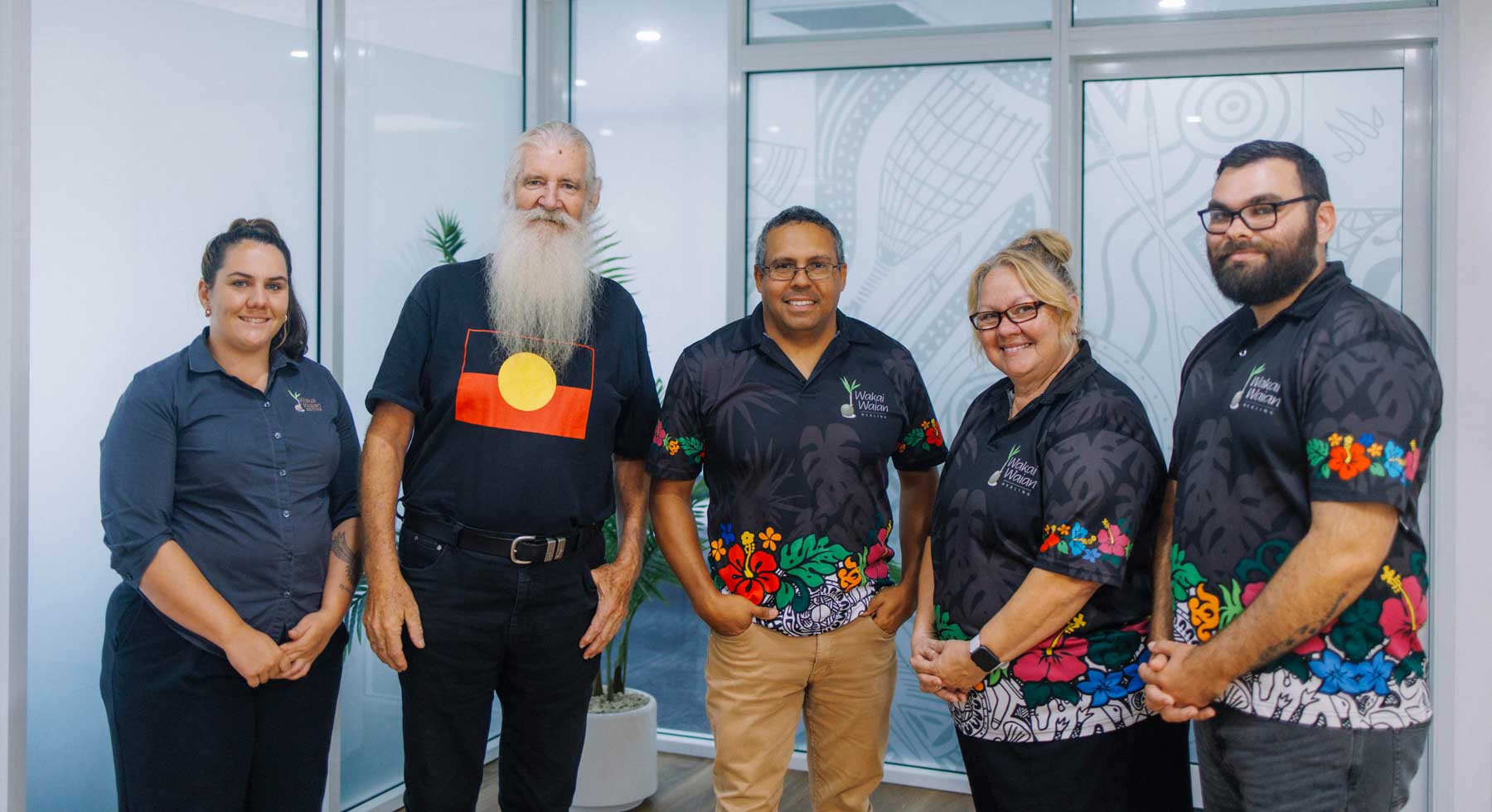
At Wakai Waian Healing, a Torres Strait and Aboriginal-led mental health organisation working across regional and remote Queensland, the response has been quietly unfolding for years. Not through grand announcements or pilot programs, but through people, relationships, and long-term commitment.
“We didn’t start by asking how to attract psychologists,” says Senior Psychologist and Supervisor Ed Mosby. “We started by asking how to grow them, how to hold them, and how to make sure they stay.”
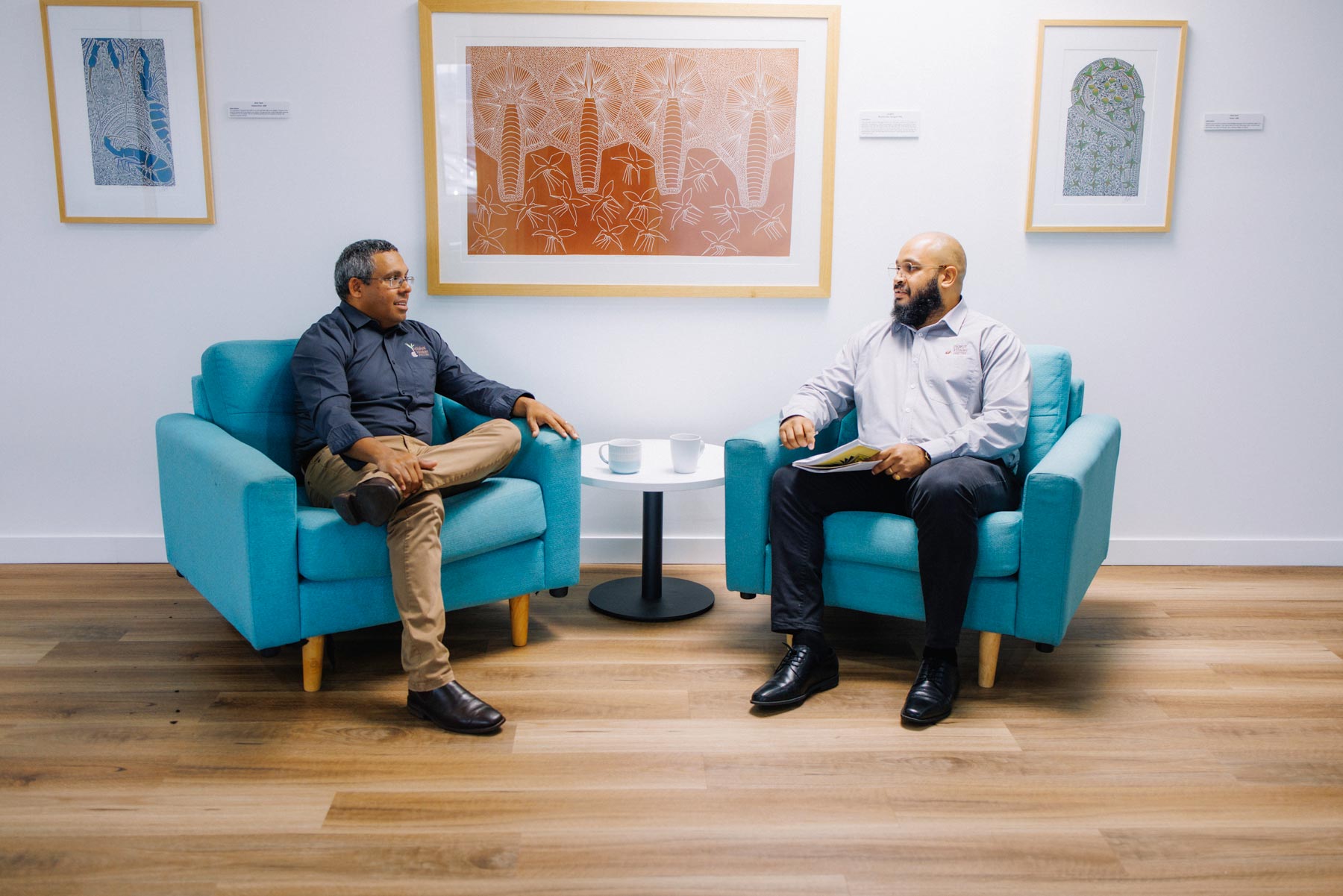
Mosby, a Masig man born on Waiben, knows the cost of getting this wrong. Before becoming a psychologist, he served as an officer in the Australian Defence Force, where he witnessed the long shadow of trauma carried by soldiers long after they returned home.
“They survived the battlefield,” he says. “But they were lost later because the systems around them didn’t know how to care for what they were carrying.”
That understanding now shapes how supervision works at Wakai Waian Healing. Supervision is not treated as a compliance exercise, but as a responsibility. Provisional psychologists and students are supported through structured, culturally grounded supervision that addresses clinical skill, wellbeing, identity and community accountability.
“We have what it takes to heal,” Mosby says. “But only if we grow our own people properly and don’t abandon them halfway through the journey.”
At Wakai Waian Healing, cultural governance is not a policy statement. It is something that is practised every day. This is most visible through the Community and Cultural Mentor Group (CCMG), a standing body of respected Elders, cultural leaders and community voices who guide the organisation’s work from conception through to delivery and reflection.
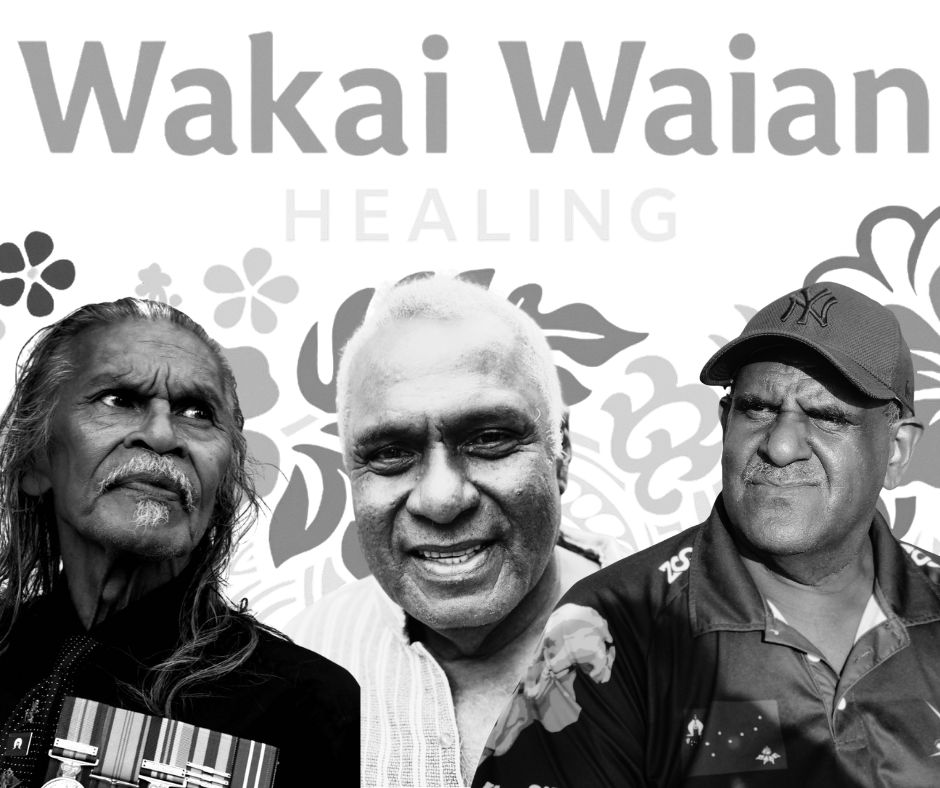
During the Torres Strait Aftercare consultations, this approach was put into practice, not spoken about. A culturally led Steering Committee, including Uncle Gabriel Bani, Uncle Marsat Ketchell, Uncle Phillip Mills and Pastor Pedro Stephen, shaped the questions, guided who should be spoken to and how, and ensured that community authority was respected at every step. Provisional Psychologists were engaged and involved behind the scenes. Decisions about language, process, timing and interpretation were made with cultural mentors, not after the fact. For Wakai Waian Healing, governance is not something that sits above the work. It sits inside it, setting the tone for how care is delivered, how people are listened to and how accountability to community is maintained.
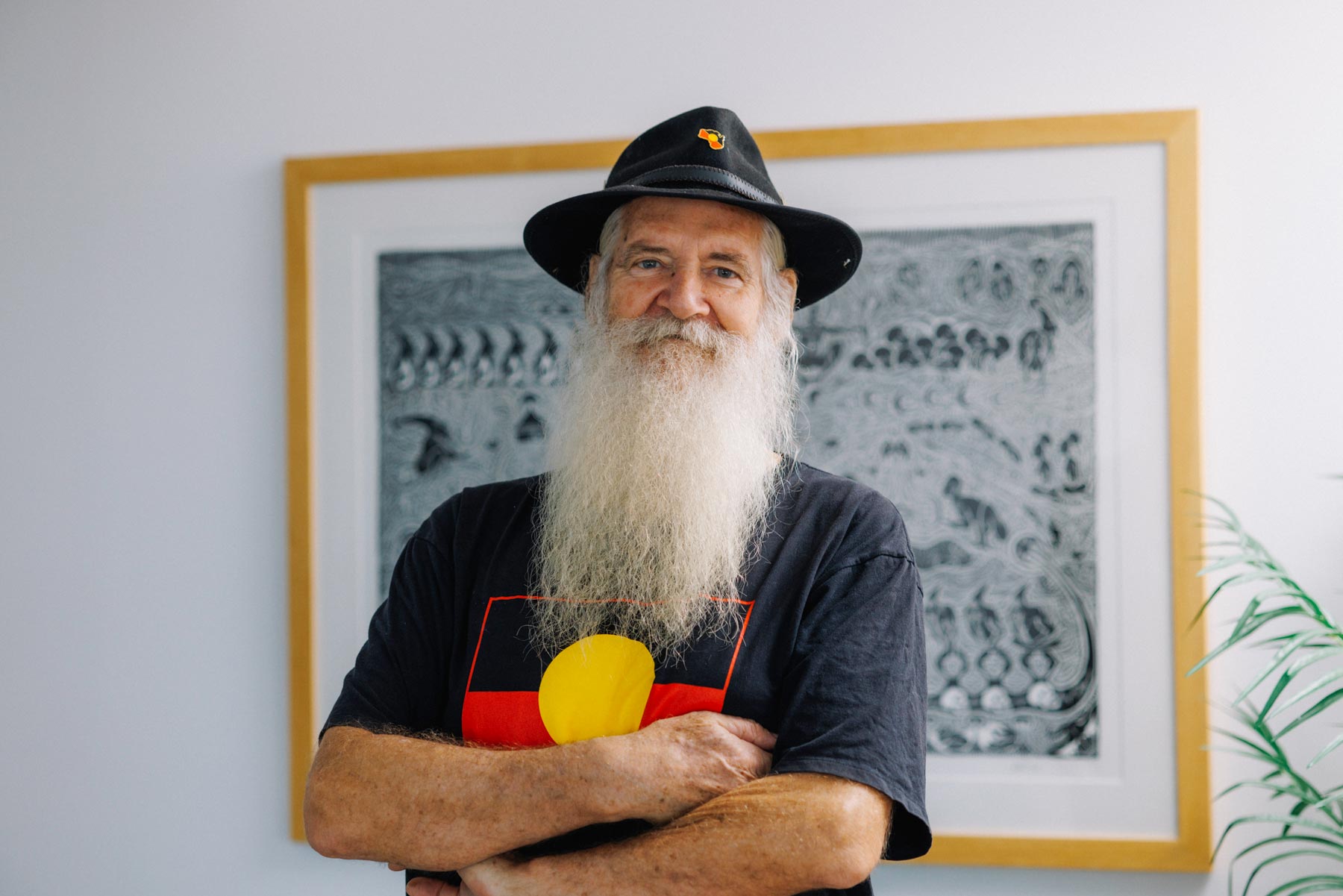
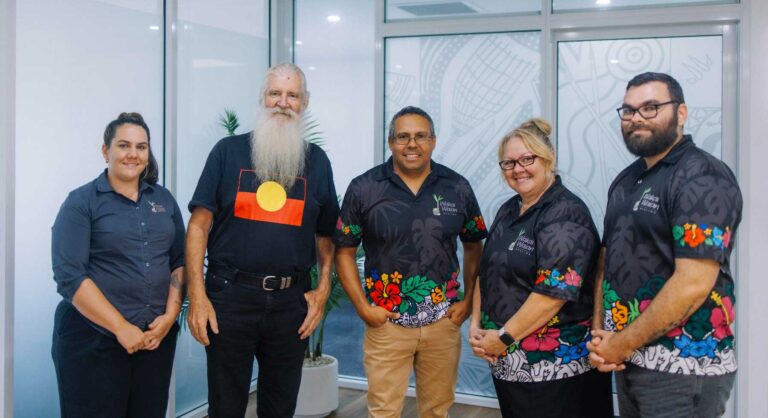
That approach is reinforced by Uncle Joe Sproats, a Senior Psychologist and Supervisor whose career spans disability services, community programs and Indigenous-led initiatives across Australia. Joe is on the AIPA Board and is a registered supervisor, a Ngarigo and Australian South Sea Islander man, Sproats has long argued that psychology stripped of culture and spirit is incomplete.
“I was told once that spirit had no place in psychology,” he recalls. “That never made sense to me. Healing doesn’t happen in pieces. It happens when people are seen as whole.”
Together, Mosby and Sproats supervise a growing cohort of First Nations and early career psychologists working in regional and remote settings, many of whom are navigating complex community environments while completing their professional training.
Leah Munns, a provisional psychologist raised in Rockhampton on Dharumbal Country, says that support has been decisive.
“I didn’t always know how culture and clinical practice could sit together,” she says. “What I’ve learned here is that you don’t have to choose one or the other. You can practise psychology in a way that still feels true to who you are.”
For Jhai Bartley, a Yiman man and provisional psychologist, the experience has reshaped his understanding of mental health practice altogether.
“At first, I thought psychology was about fitting people into boxes,” he says. “Now I understand it’s about listening to people in their cultural and spiritual context, without jumping to conclusions.”
That kind of development takes time. It also takes organisational infrastructure. Wakai Waian Healing operates within ISO9001 quality systems, National Mental Health Standards and AHPRA-compliant supervision frameworks, while embedding cultural governance and community accountability at every level.
The result is a workforce pipeline that extends beyond placements and internships into long-term careers.
Sharni Upton, a Barada and Kabalbara woman currently completing her Masters of Clinical Psychology, began working with Wakai Waian Healing as an undergraduate student. She has progressed through honours and into postgraduate training within the same organisation.
“This isn’t just about getting through a degree,” Upton says. “It’s about being supported to grow as a clinician, a mother, a community member. That kind of support is why people stay.”
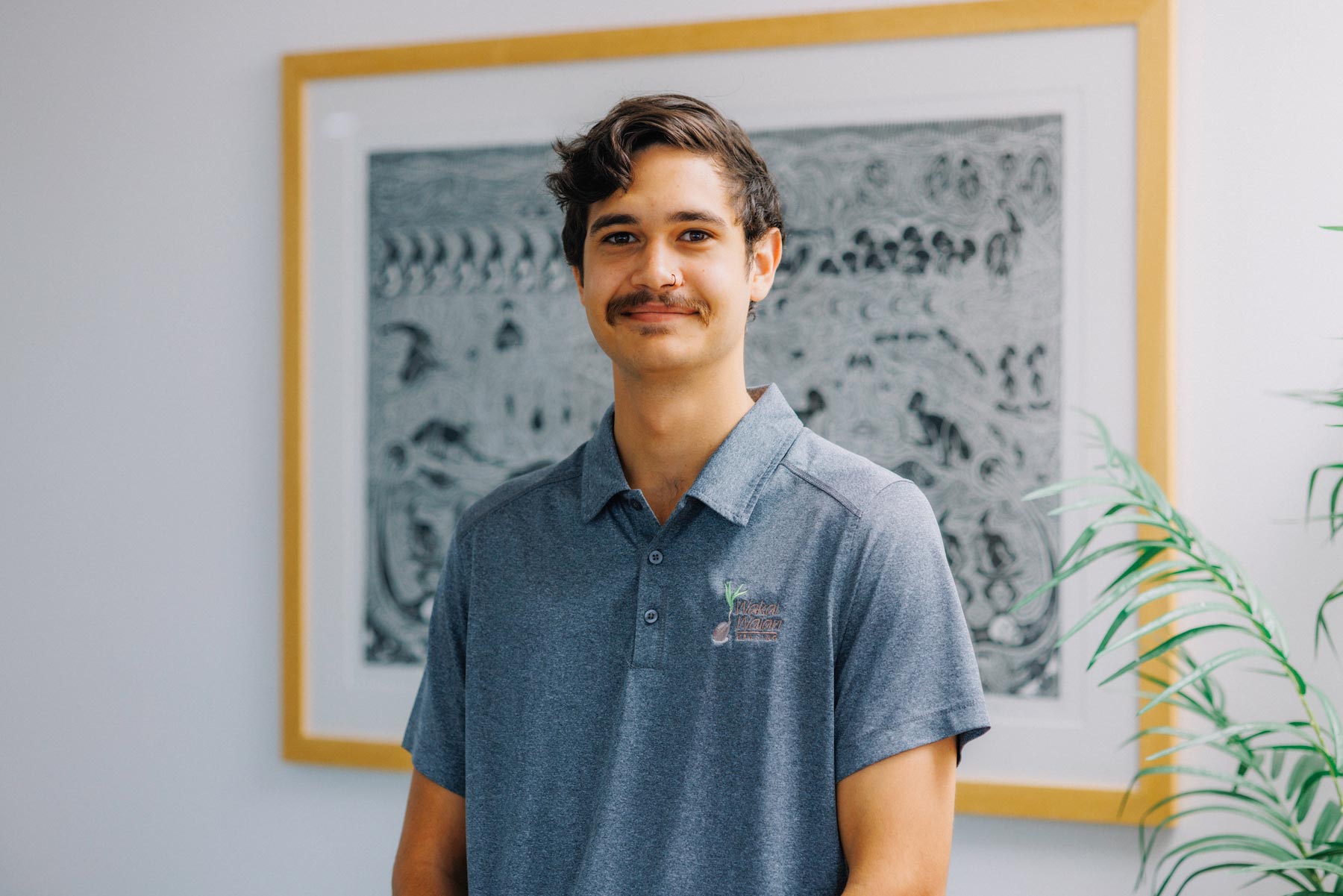
Perhaps the clearest illustration of the model’s impact is Dallas Kuhn, a Bidjara man and psychology student who now works at Wakai Waian Healing. As a teenager, Kuhn accessed services through the organisation. Today, he is part of the workforce.
“When young people see someone who looks like them, who understands where they come from, it changes what they think is possible,” Kuhn says. “I want to be that person for other kids.”
It is a quiet model, but a powerful one. By growing psychologists from within community, supporting them through culturally grounded supervision, and creating conditions for long-term retention, Wakai Waian Healing is addressing workforce shortages at their root.
“We don’t see this as a program,” Mosby says. “It’s just how we work.”
In a policy landscape often dominated by short-term fixes, it is a reminder that the most sustainable solutions are already being built, one relationship at a time.