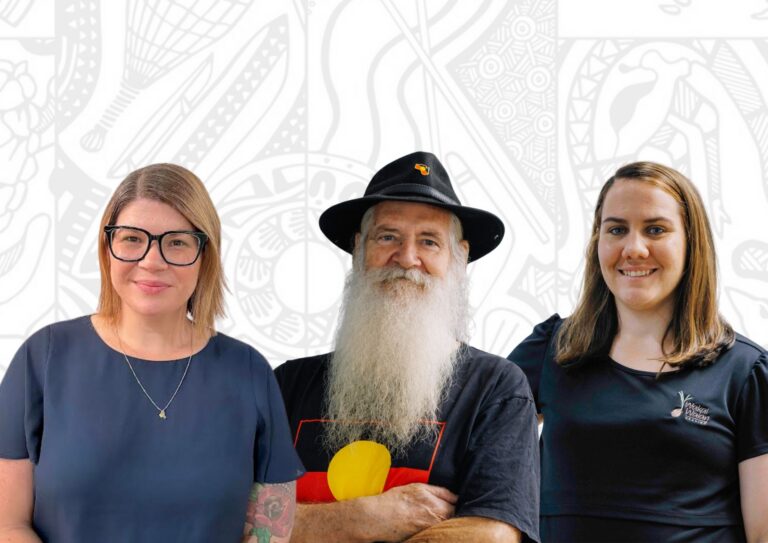
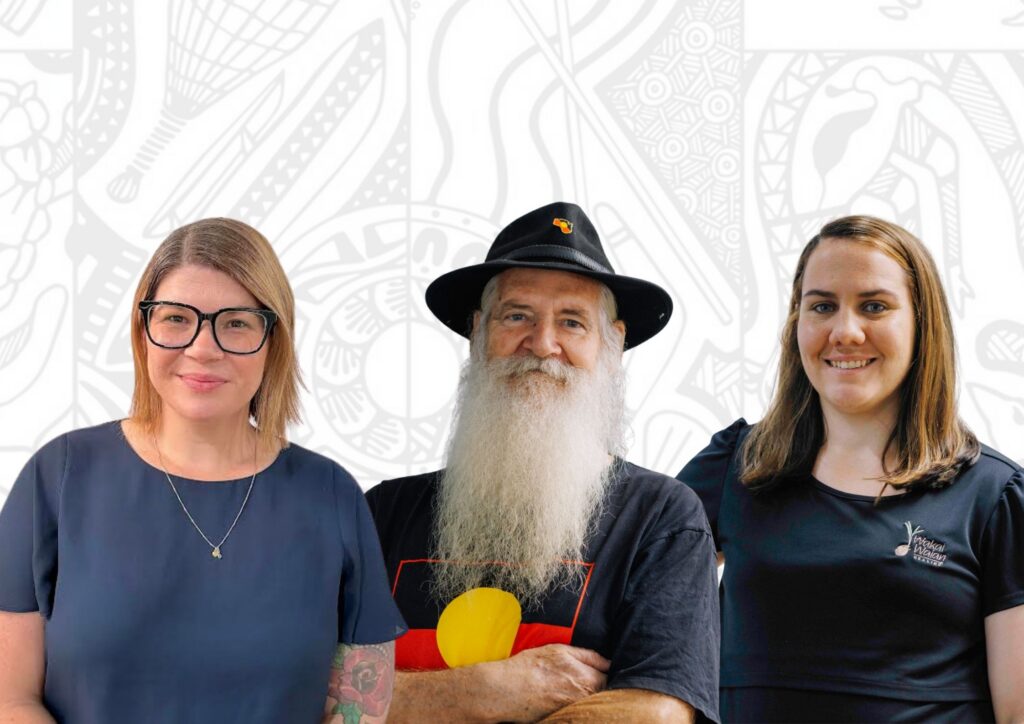
Wakai Waian Healing unveils a leadership model placing cultural authority, clinical excellence and operational leadership side by side
As governments, health services and community organisations across Australia continue to search for better ways to improve Aboriginal and Torres Strait Islander health and wellbeing outcomes, one Indigenous-owned organisation is taking a bold step that could help reshape how services are governed and delivered.
Wakai Waian Healing, a 100 per cent Indigenous-owned and governed social and emotional wellbeing organisation, has announced a significant evolution of its leadership structure, establishing three senior leadership positions designed to strengthen cultural governance, clinical governance and organisational effectiveness across the organisation.
The appointments represent far more than an internal restructure. They reflect an emerging Indigenous-led governance model that places cultural authority, clinical excellence and operational leadership alongside one another as equal pillars of organisational leadership.
At a time when many organisations continue to speak about culturally safe service delivery, Wakai Waian Healing is seeking to embed culture within the systems, structures and decision-making processes that shape how services are designed, delivered and evaluated.
Chief Executive Officer Ed Mosby said the changes reflect the organisation’s commitment to ensuring Indigenous ways of knowing, being and doing are not viewed as an addition to service delivery, but as a central component of it.
“Across Australia, there is growing recognition that better outcomes for our people require more than simply delivering services differently,” Mr Mosby said.
“They require organisations to think differently about leadership, governance and accountability. We believe cultural governance, clinical governance and operational leadership all have a critical role to play, and they need to work together if we are serious about creating lasting change.”
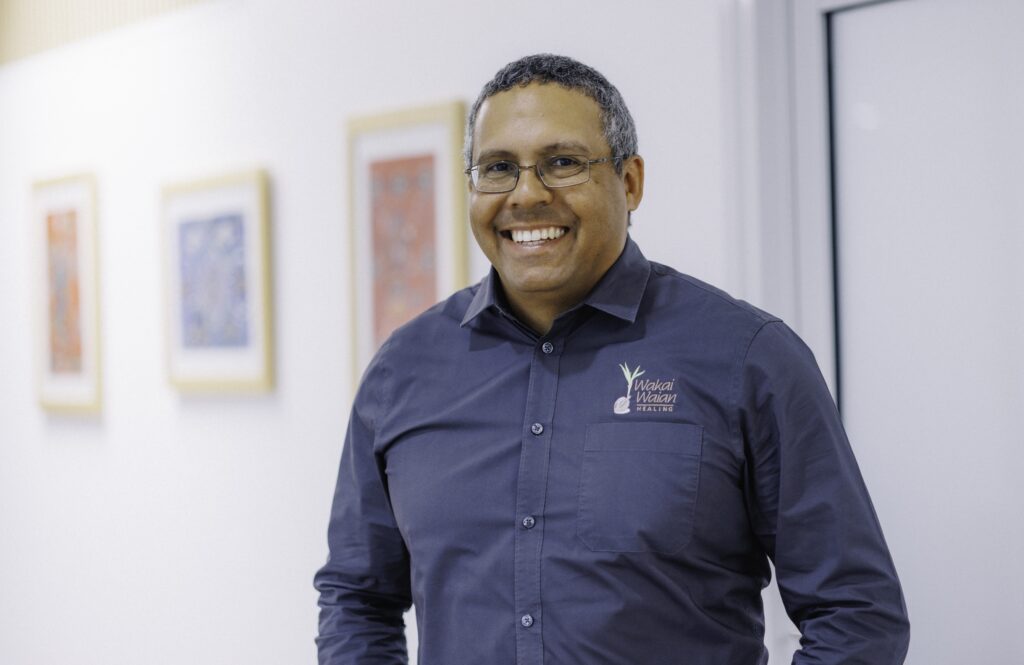
At the centre of the new model is the creation of a dedicated Cultural Lead position, reflecting the organisation’s belief that culture should influence organisational practice at every level.
Respected Ngarigo psychologist Joe Sproats has been appointed to the role, bringing extensive experience across Indigenous mental health, counselling, organisational leadership and workforce development. Joe is a Board Director of the Australian Indigenous Psychologists Association (AIPA) and an approved Psychology Board of Australia supervisor who has spent decades supporting the social and emotional wellbeing of Aboriginal and Torres Strait Islander peoples.
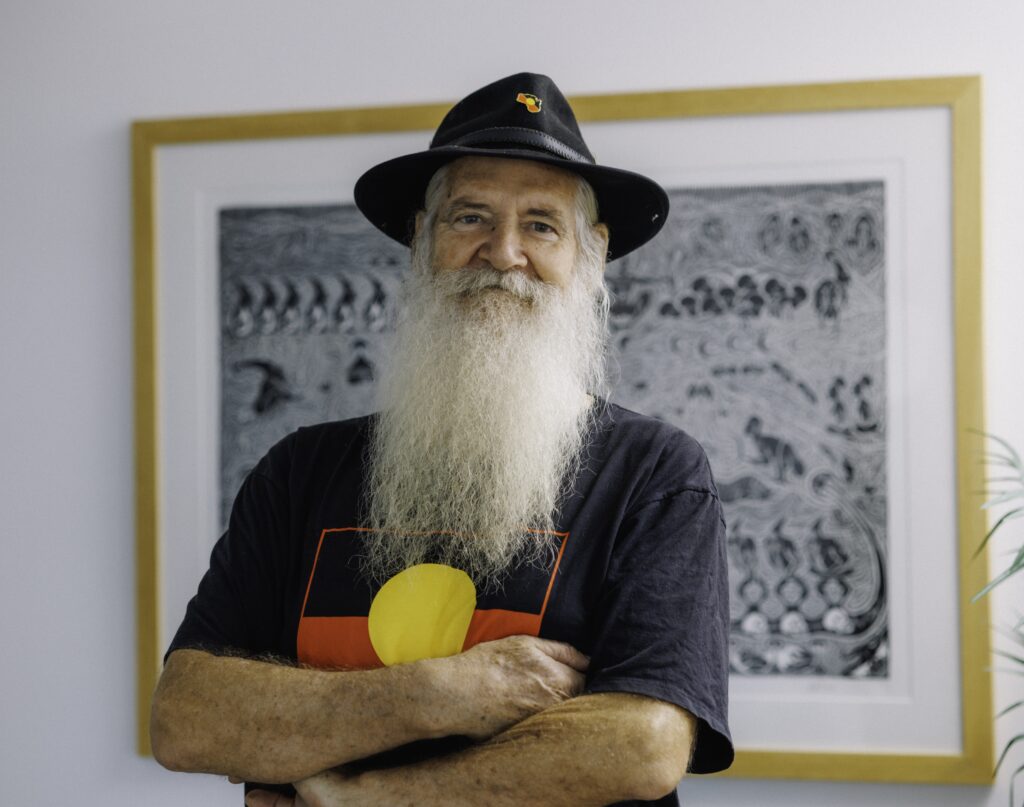
Joe has worked across community services, disability support, Indigenous counselling and leadership roles throughout Queensland. He is also the founder of Dreamtime Learning and Dreamtime Counselling and Coaching Service, initiatives dedicated to strengthening the wellbeing of First Nations peoples through culturally grounded approaches.
In his new role, Joe will lead the development and implementation of an organisation-wide professional development framework focused on strengthening cultural safety, cultural responsiveness and cultural humility across the workforce.
The role will support staff across all disciplines and regions while helping ensure cultural governance remains an active and influential part of organisational decision-making.
Importantly, Joe will work alongside senior leaders to strengthen the relationship between cultural governance and clinical governance, helping create systems where both perspectives inform service delivery, workforce development and organisational accountability.
Complementing this role is the appointment of Sharni Upton as Clinic Lead, a senior leadership position responsible for guiding strategic and operational clinic functions across the organisation.
Sharni will provide oversight of clinic-based programs and service delivery functions while leading the design, implementation and continuous improvement of clinical governance processes across Wakai Waian Healing.
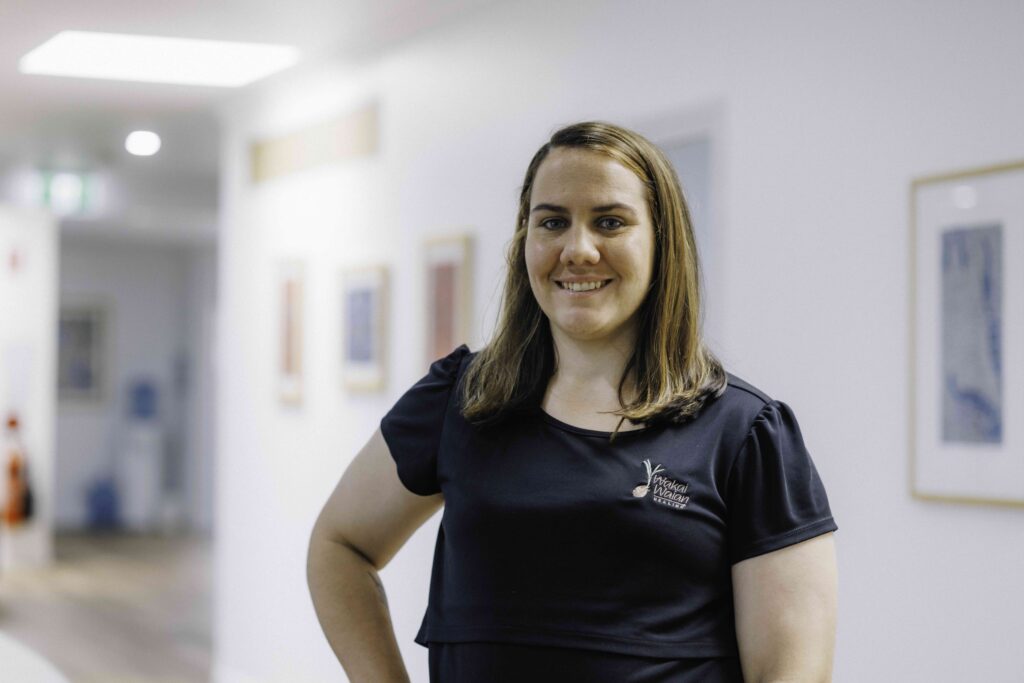
A proud Barada and Kabalbara woman, Sharni has lived throughout Central Queensland all her life, from Ghungalu Country in Blackwater to Dharumbal Country, the traditional Country of her children, where she has established strong family and community connections.
Sharni’s professional journey reflects Wakai Waian Healing’s commitment to growing Indigenous leadership from within. She joined the organisation while completing her psychology studies and has progressed through a series of significant milestones, including completing her undergraduate degree, Honours and most recently a Master of Clinical Psychology.
She is also the first clinician to undertake Wakai Waian Healing’s Clinical Registrar Program, an important pathway supporting advanced clinical practice and leadership development within the organisation.
Her appointment as Clinic Lead represents both a personal achievement and a broader investment in the future Indigenous psychology workforce, demonstrating what can be achieved when Aboriginal and Torres Strait Islander practitioners are supported to develop and lead within community-controlled and Indigenous-owned organisations.
The organisation has also appointed Rebecca Edmund as Senior Administration Lead, recognising the critical role strong organisational systems play in supporting community-based service delivery and sustainable growth.
Rebecca joins the Senior Management Team and will provide strategic oversight of administration systems, processes and organisational operations. As Wakai Waian Healing continues to expand across Queensland, her role will help ensure the organisation’s internal systems evolve alongside its growing workforce, service footprint and community responsibilities.
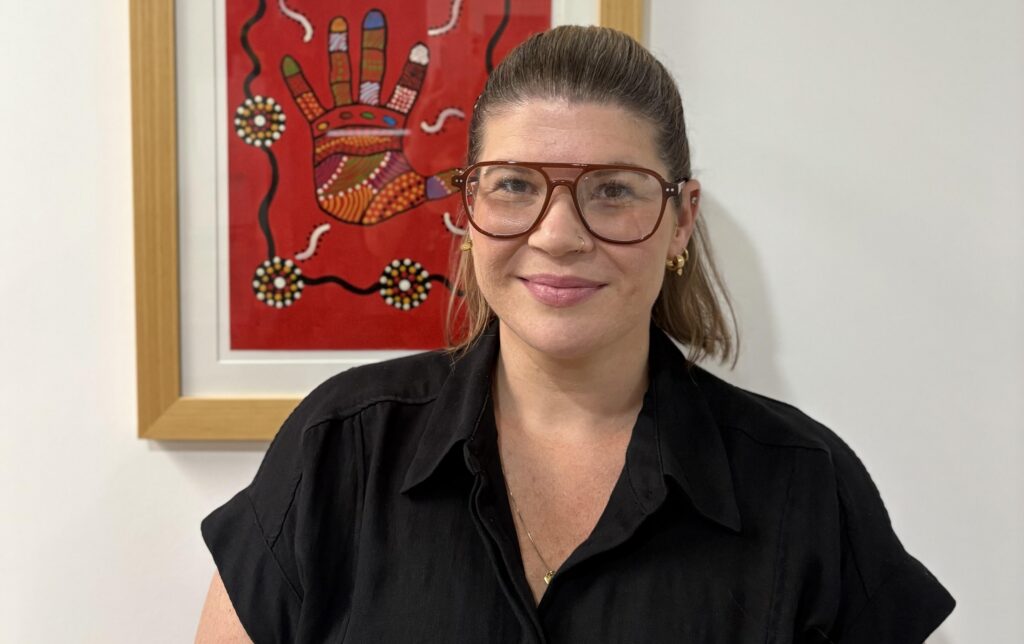
Together, the three appointments create a leadership structure that recognises cultural governance, clinical governance and operational excellence as interconnected and equally important components of organisational success.
The approach is attracting interest because it challenges traditional governance models that have often struggled to meaningfully integrate Indigenous cultural frameworks into organisational leadership and decision-making.
Across Australia, Indigenous organisations continue to navigate systems and funding environments where cultural considerations are frequently treated as separate from operational and clinical functions.
Wakai Waian Healing’s model seeks to move beyond that approach by embedding cultural governance as a core organisational responsibility that helps shape strategy, workforce development, service delivery, accountability and organisational culture.
The leadership reforms come during a period of significant growth for the organisation, which now delivers services across multiple regions of Queensland through a multidisciplinary workforce of psychologists, occupational therapists, social and emotional wellbeing practitioners and community development professionals.
The organisation has become increasingly recognised for its work in Indigenous social and emotional wellbeing, workforce development, cultural governance and community-led healing initiatives.
Most recently, Wakai Waian Healing has led extensive consultations across Zenadth Kes (Torres Strait) exploring community-led approaches to mental wellbeing sovereignty. Working alongside Elders, cultural leaders, churches, health services and communities, the organisation has helped facilitate important conversations about prevention, healing and wellbeing that are grounded in local knowledge, cultural authority and community aspirations.
For Mr Mosby, the new leadership structure is about preparing the organisation for the future while contributing to broader conversations occurring across the Indigenous health and wellbeing sector.
“As Indigenous organisations continue to grow, there is an opportunity to think differently about how we structure leadership and governance,” he said.
“We want to build an organisation that is culturally strong, professionally respected and community-led. These appointments help position us to do that while continuing to support our staff and strengthen the services we provide.”
At a time when governments and health systems are increasingly focused on self-determination, cultural safety and community control, Wakai Waian Healing’s approach offers a practical example of what Indigenous-led innovation can look like in action.
Rather than treating culture as an advisory function or expecting clinical practice to operate in isolation, the organisation is building a model where cultural authority, clinical excellence and operational leadership are empowered to work together in service of communities.
For a sector searching for new ways to strengthen outcomes, build trust and support community wellbeing, that may prove to be one of the most important innovations of all.
Story by Tom Hearn